%2Ffit-in%2F250x250%2Fguide_websites%2F8323%2Fimages%2Fcaptaincookcharters.png&w=1920&q=100)
/users/8e331288-94f4-49e3-9c90-ec8d4ff1c6a2/ratecard/471621618_603861255661833_1050588055541759826_n.jpg)
%2F300x300%2Fusers%2F8e331288-94f4-49e3-9c90-ec8d4ff1c6a2%2Fratecard%2F471621618_603861255661833_1050588055541759826_n.jpg&w=256&q=75)
%2F300x300%2Fusers%2F8e331288-94f4-49e3-9c90-ec8d4ff1c6a2%2Fimages%2Fstriped-bass-fishing-ri-2519.jpg&w=256&q=75)
%2F300x300%2Fusers%2F8e331288-94f4-49e3-9c90-ec8d4ff1c6a2%2Fimages%2Ffishing-excursion-ri-2595.jpg&w=256&q=75)
%2F300x300%2Fusers%2F8e331288-94f4-49e3-9c90-ec8d4ff1c6a2%2Fimages%2Ffishing-fun-warwick-2511.jpg&w=256&q=75)
%2F300x300%2Fusers%2F8e331288-94f4-49e3-9c90-ec8d4ff1c6a2%2Fimages%2Fbest-great-fishing-ri-2554.jpg&w=256&q=75)
%2F300x300%2Fusers%2F8e331288-94f4-49e3-9c90-ec8d4ff1c6a2%2Fimages%2Fpicturesque-rhode-island-scenery-2347.jpg&w=256&q=75)
%2F300x300%2Fusers%2F8e331288-94f4-49e3-9c90-ec8d4ff1c6a2%2Fimages%2Fwarwick-fishing-adventure-2402.jpg&w=256&q=75)
%2F300x300%2Fusers%2F8e331288-94f4-49e3-9c90-ec8d4ff1c6a2%2Fimages%2Ffishing-warwick-2463.jpg&w=256&q=75)
%2F300x300%2Fusers%2F8e331288-94f4-49e3-9c90-ec8d4ff1c6a2%2Fimages%2Ffishing-adventure-ri-2423.jpg&w=256&q=75)
%2F300x300%2Fusers%2F8e331288-94f4-49e3-9c90-ec8d4ff1c6a2%2Fimages%2Fangler-fishing-ri-2405.jpg&w=256&q=75)
%2F300x300%2Fusers%2F8e331288-94f4-49e3-9c90-ec8d4ff1c6a2%2Fimages%2Ffisherman-catches-sea-bass-warwick-2465.jpg&w=256&q=75)
World-Class Striped Bass Fishing in Narragansett Bay
 Rhode Island
What you will be catching:
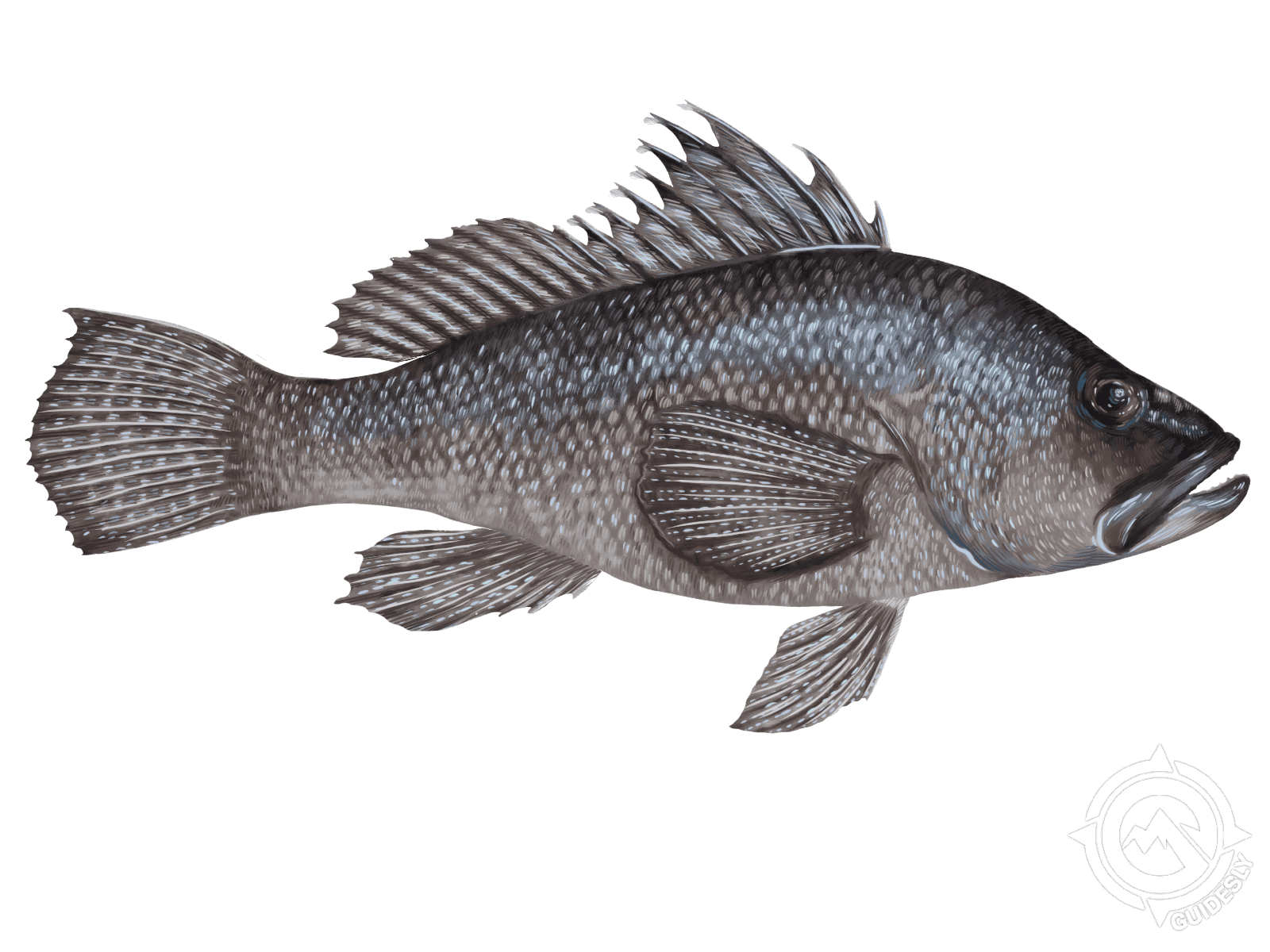
 Black Sea Bass
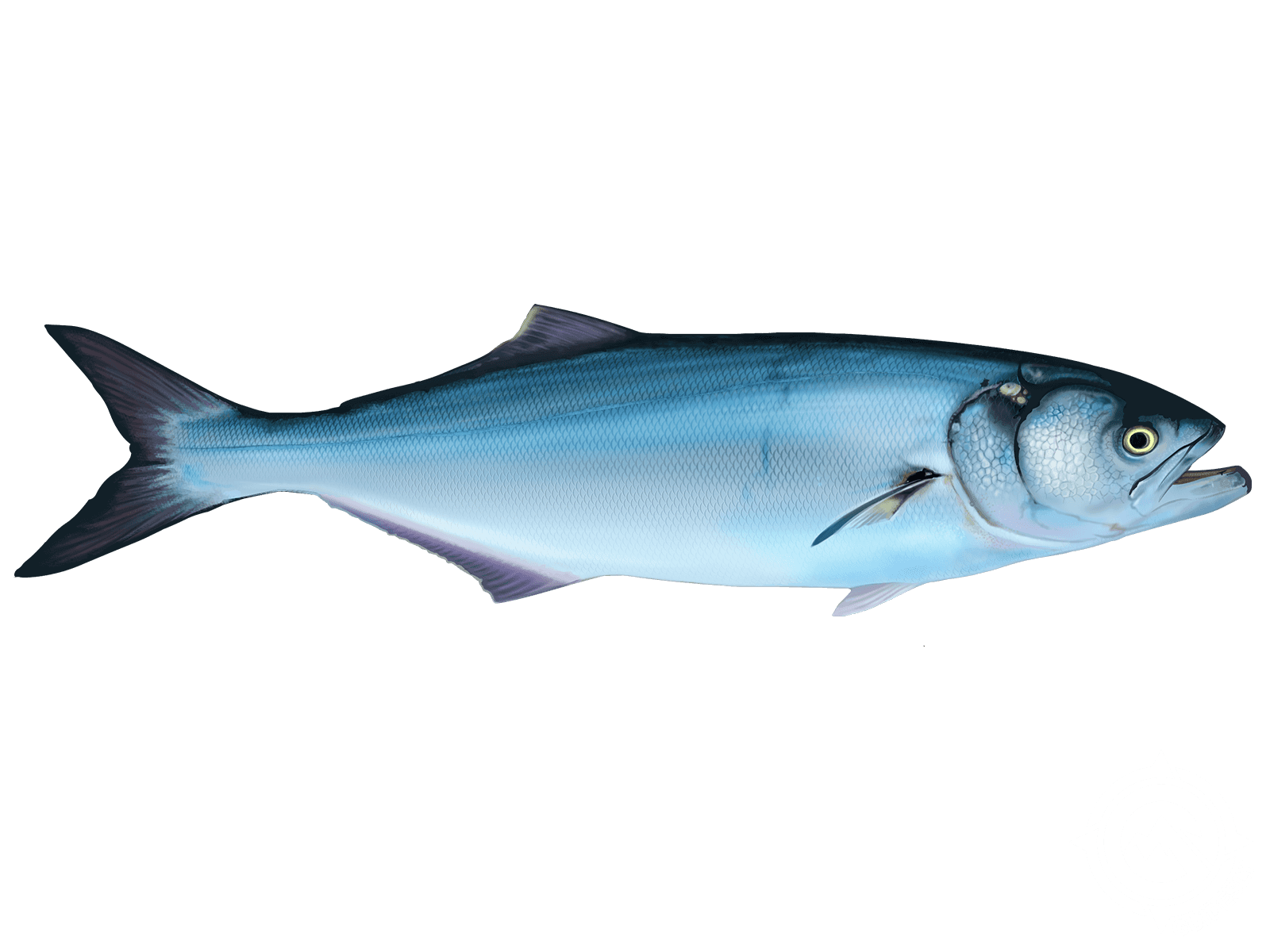
 Bluefish
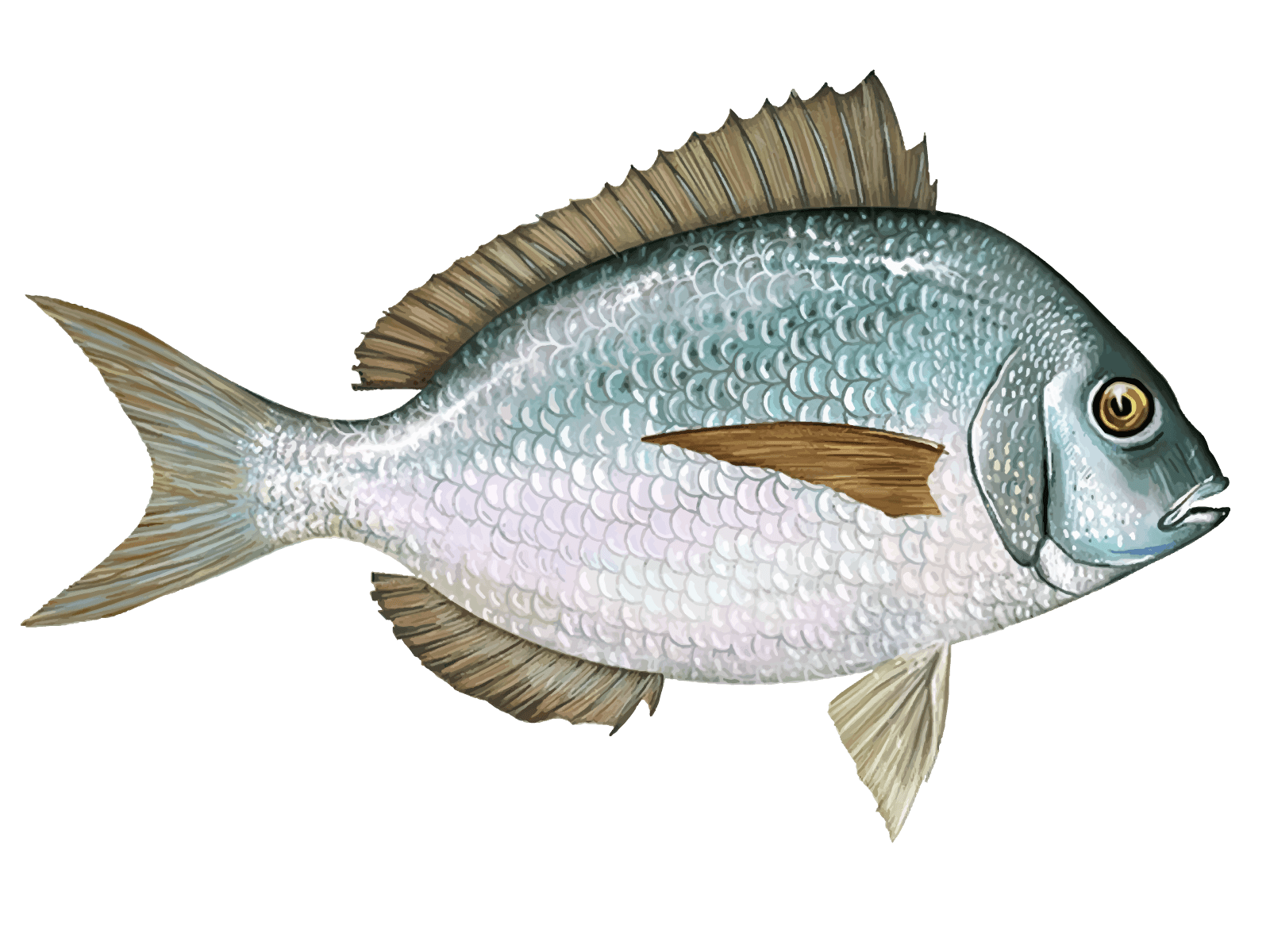
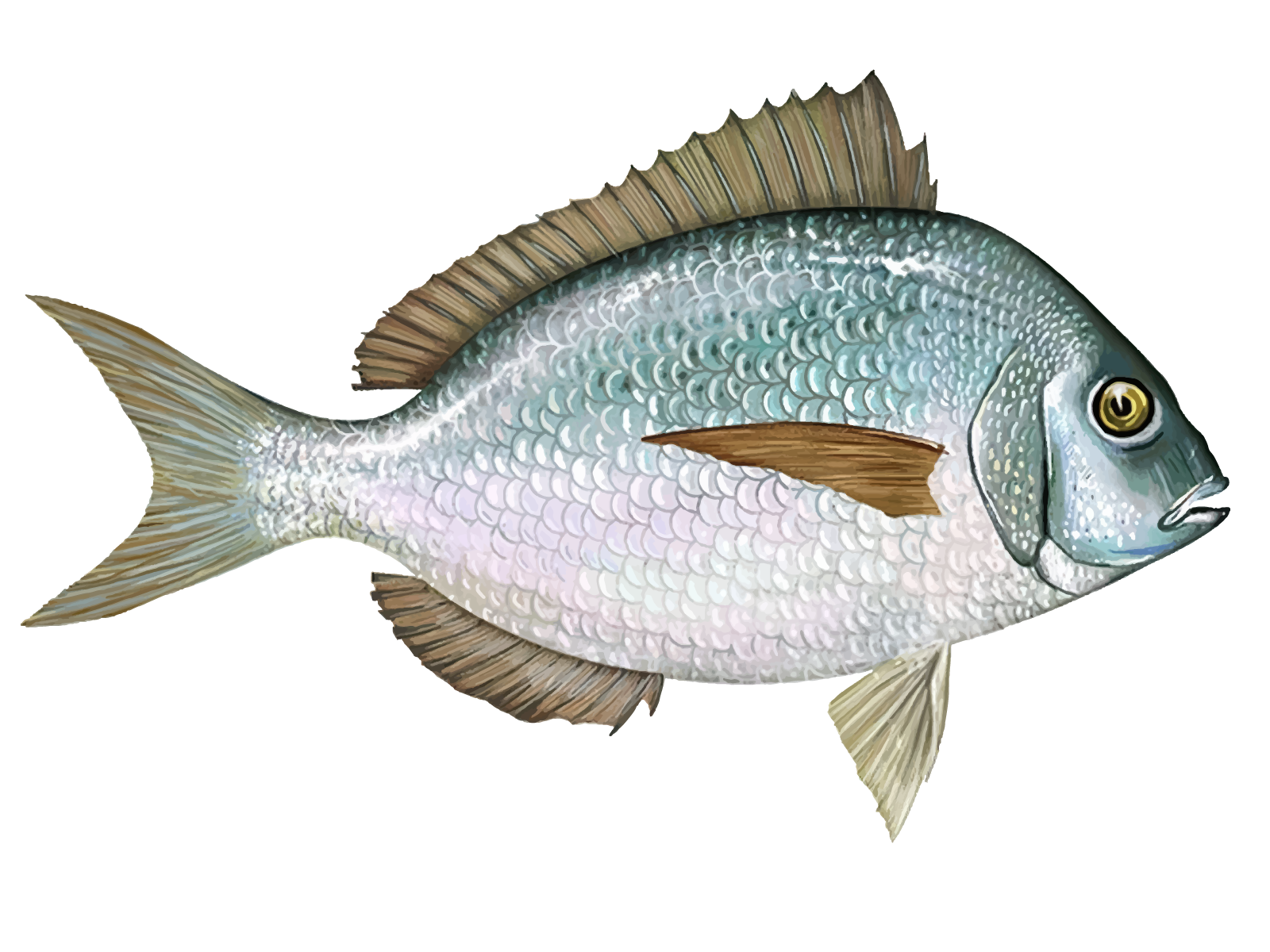 Scup
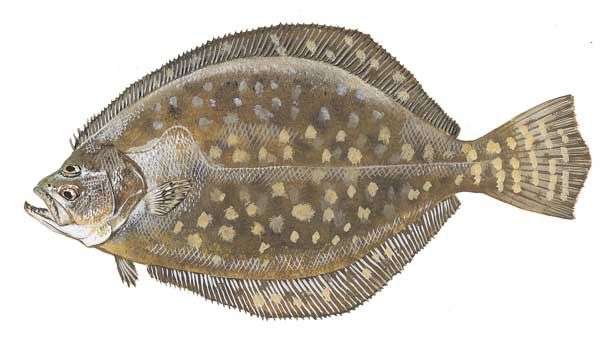
Scup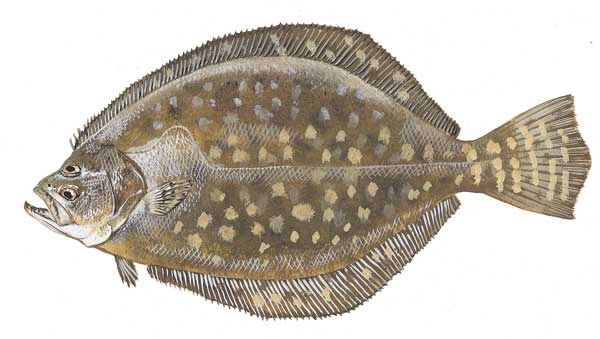 Southern Flounder
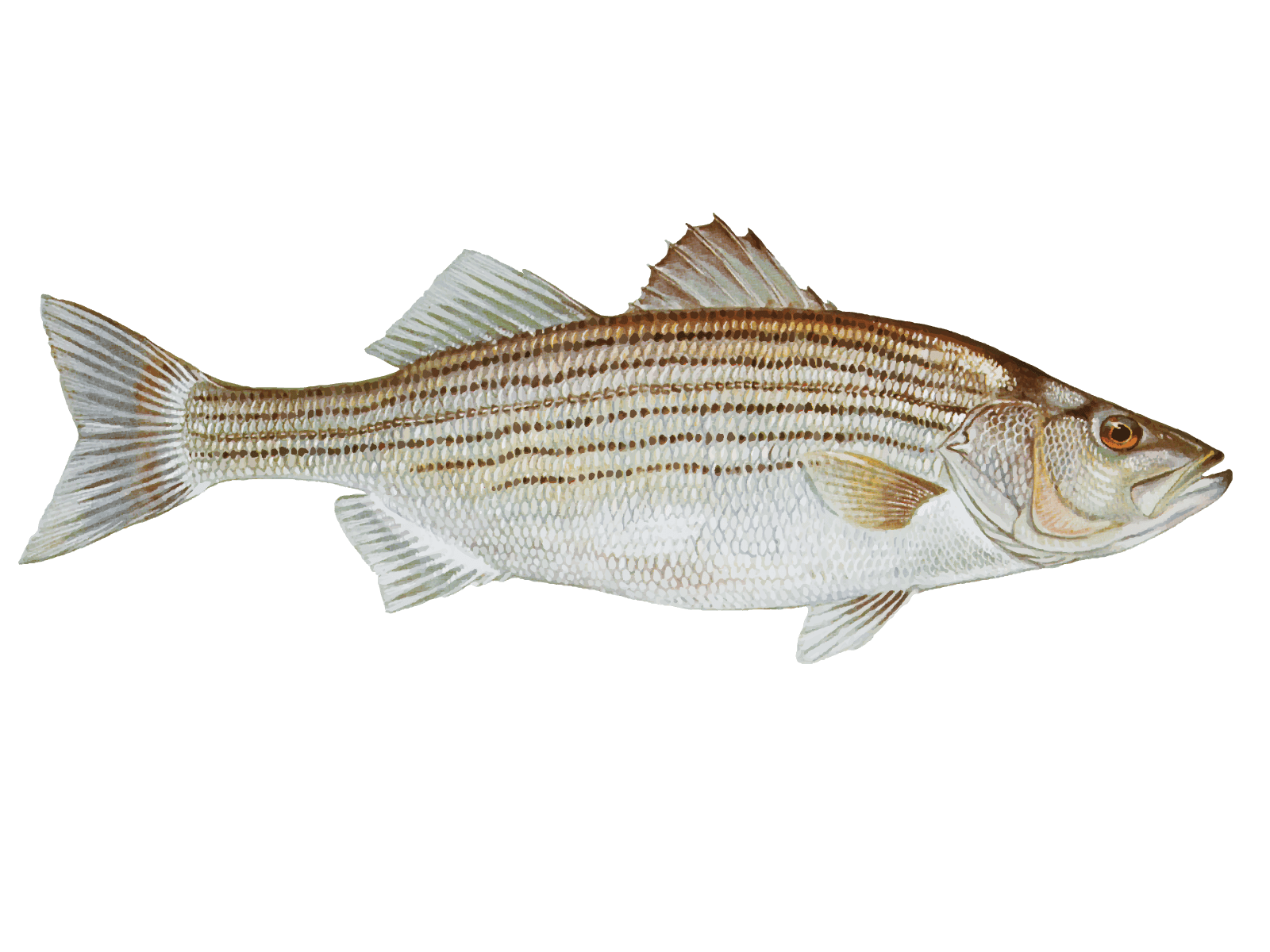
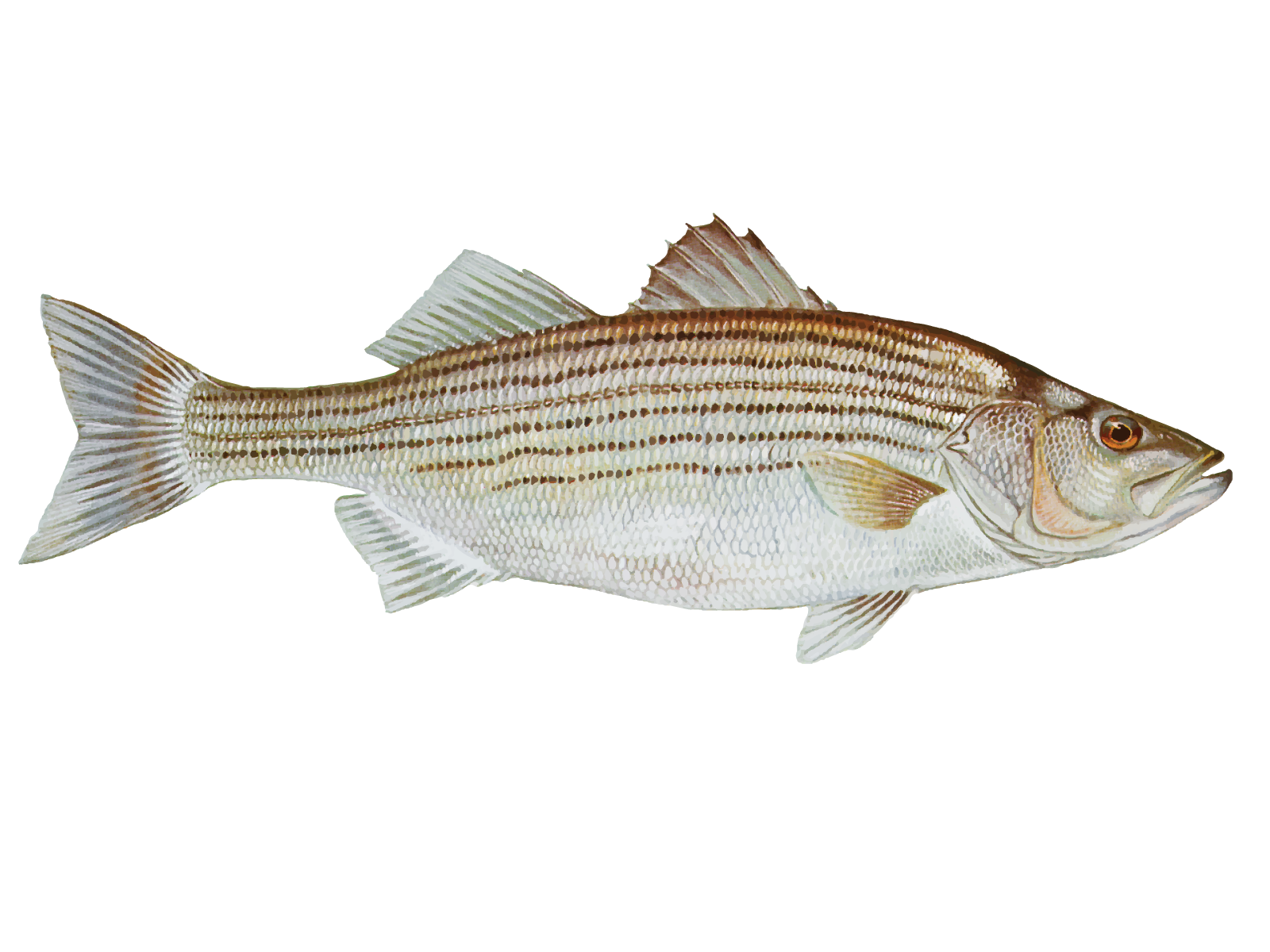 Striped Bass
- This 6-hour private fishing charter takes you out on Narragansett Bay with Captain Donald Cook, who knows these Rhode Island waters inside and out. You'll fish for striped bass, bluefish, flounder, and tautog from his 26-foot center console boat. Perfect for beginners or anyone wanting to learn new techniques
- the captain provides all the gear and shares local fishing knowledge throughout the day. With just 4 guests max, you get plenty of personal attention and coaching. The bay offers protected waters with great fishing spots, so you can focus on learning while catching dinner. It's a solid choice for first-timers or experienced anglers wanting to fish new water.
Trip Pricing and Availabilities:
Extended Half Day Narragansett Bay Fishing Trip
Captain Donald Cook's 6-hour beginner-friendly fishing charter puts you right in the heart of Narragansett Bay's most productive fishing grounds. This isn't your typical rushed half-day trip – we're talking about a proper extended session that gives you real time to learn the ropes and actually catch fish. Departing from Warwick, you'll spend quality hours targeting the bay's top species while getting hands-on instruction from a captain who knows these waters inside and out. Perfect for newcomers who want to build confidence or anyone looking for a relaxed day on the water without the pressure of a full-day commitment.
What to Expect on the Water
You'll be fishing from Captain Cook's comfortable 26-foot center console boat, which gives you plenty of room to move around and cast without bumping into each other. The boat's designed for up to 4 anglers, so you won't be crowded or fighting for space like on those packed party boats. We launch from Warwick and typically head to the productive flats and structure areas where the fish like to hang out – think rocky points, drop-offs, and the edges of grass beds where baitfish gather. The beauty of Narragansett Bay is that you're never far from productive water, and Captain Cook knows exactly where to find the bite depending on the tide, season, and what's been producing lately. The 6-hour format means we can hit multiple spots throughout the day, adjusting our approach based on what's working and what the fish are telling us.
Gear and Techniques We Use
All your fishing gear is included, from rods and reels to tackle and bait – you just need to show up ready to fish. We'll be using a mix of techniques depending on what species we're targeting and where they're holding. For striped bass, we might be throwing live eels around structure or working topwater plugs early in the morning. Flounder fishing usually means bouncing bucktails or fishing with live minnows near sandy bottoms and drop-offs. When the bluefish are around, we'll often use wire leaders and heavier tackle since these guys have serious teeth and fight hard. Captain Cook takes the time to show beginners how to read the water, feel the bottom, and recognize when a fish is on the line versus just picking up debris. You'll learn proper hook-setting techniques, how to fight a fish without losing it, and the right way to handle your catch for photos or release.
Species You'll Want to Hook
Striped Bass are the crown jewel of Narragansett Bay fishing and the species most anglers dream about landing. These fish can range from schoolie-size around 18-24 inches up to genuine keepers in the 28-35 inch range, with the occasional real trophy showing up to make your day. Stripers are most active during moving tides and low-light periods, which is why early morning and late afternoon can be magic time. What makes them so exciting is their intelligence – they're not easy to fool, and when you do hook one, they put up a serious fight with powerful runs and head shakes that'll test your drag system.
Southern Flounder might not win any beauty contests, but they're fantastic eating and surprisingly fun to catch once you get the hang of it. These flatfish typically run 16-22 inches in the bay and are masters of camouflage, lying buried in sandy or muddy bottoms waiting for prey to swim by. The key to flounder fishing is patience and feeling for that subtle bite – they often just mouth the bait before taking it. Summer through early fall is prime time for flounder in Narragansett Bay, and there's something satisfying about the steady bend in your rod when you hook a nice doormat.
Bluefish are the bay's resident bullies and absolute blast to catch when they're in feeding mode. These aggressive predators travel in schools and can turn the water into a frenzy when they're chasing baitfish. Blues in Narragansett Bay typically range from 2-8 pounds, with the occasional larger fish mixed in during peak season. They hit hard, fight dirty, and never give up until they're in the boat. Just remember – they've got razor-sharp teeth, so Captain Cook will show you the proper way to handle them safely.
Black Sea Bass are structure-loving fish that hang around rocks, wrecks, and pilings throughout the bay. They're not huge – most run 1-3 pounds – but they're scrappy fighters and excellent table fare. These fish are curious by nature and will often investigate anything that looks like food, making them relatively cooperative for beginners. Sea bass fishing teaches you precision since you're usually fishing around structure where you can easily get snagged if you're not careful.
Scup, also known as porgy, might be the most underrated fish in Narragansett Bay. They're abundant, willing biters, and perfect for beginners to build confidence. These fish school up in large numbers during summer months and provide non-stop action when you find them. While they're on the smaller side, usually 8-12 inches, they're aggressive feeders and great for learning basic fishing skills like detecting bites and setting hooks properly.
Time to Book Your Spot
This extended half-day trip hits the sweet spot for anglers who want a real fishing experience without committing to a full day on the water. Captain Cook's local knowledge of Narragansett Bay's seasonal patterns and productive spots gives you the best shot at success, whether you're a complete beginner or just new to these waters. The 6-hour format provides enough time to try different techniques, move between spots, and actually learn something while you're out there. With all gear included and expert instruction throughout the day, you'll come back with new skills, great memories, and hopefully some fish for the table. Book your Narragansett Bay fishing charter with Captain Cook Charters and discover why this bay has been producing quality fishing for
Learn more about the species
Black Sea Bass
Sea bass are chunky, tough fighters that live around hard bottom and structure - perfect for our rocky areas and old wrecks. Most run 1-4 pounds and 12-16 inches, with those distinctive white markings on dark bodies. During spawning, males turn bright blue and develop a hump on their heads. Late spring through summer is prime time when they gather in shallow water around jetties, pilings, and rocky bottom before moving offshore for winter. Guests appreciate their scrappy fight for their size and the sweet, firm white meat that's excellent eating. They're curious fish that respond well to movement. My tip: use a two-hook bottom rig with squid strips or cut bait, and don't be afraid to bounce your sinker off the rocks. They'll often grab the bait on the way down, so stay ready to set the hook quickly.
Bluefish
Blues are aggressive predators that'll attack anything that moves - you'll know when you've hooked one by the fierce fight and those razor-sharp teeth. They typically run 3-10 pounds in our waters, with that blue-green back and silvery sides. These fish travel in schools, feeding on baitfish near the surface and around structure. Summer into fall is prime time when they're actively feeding before their southern migration. Guests love the action - when blues are feeding, it's fast and furious with multiple hookups common. They're strong fighters that make great smoking fish when handled properly. Keep a wire leader handy - those teeth will cut through mono in seconds. When you see birds diving and bait splashing on the surface, get there fast with spoons, poppers, or chunk bait. They'll hit almost anything during a feeding frenzy.
Scup
Scup, or porgy as the old-timers call them, are perfect for beginners and make great eating. These silvery, deep-bodied fish run 12-16 inches typically and weigh 1-2 pounds, with their rainbow-colored scales catching the light. They're bottom feeders that love hanging around rocky areas, pilings, and structure where they crush shells with those strong jaws. May through October is prime time when they move inshore - they head south and deep when water temps drop. What guests love is how cooperative they are and how good they taste fried whole. They're not big fighters, but they're steady pullers. Here's my trick: use small pieces of squid or clam on a high-low rig and jig it gently off the bottom. They have small mouths, so keep your bait pieces bite-sized and don't set the hook too hard.
Southern Flounder
Flounder are the masters of camouflage - these flat, oval fish with both eyes on one side blend perfectly into sandy or muddy bottoms. Most run 15-18 inches, though keepers need to hit our size limits. They're ambush predators that bury themselves and strike from below, feeding on crabs, shrimp, and small fish. Spring through fall is best when they're in shallow bay waters before heading offshore for winter. Guests love the challenge of finding them and the sweet, white meat that's hard to beat on the dinner table. They're not flashy fighters but provide steady pressure. My best advice: drift slowly over sandy flats with live minnows or strips of squid on a sliding sinker rig. Keep your bait moving just off the bottom - they like motion but won't chase far from their hiding spots.
Striped Bass
Stripers are the real deal in Narragansett Bay - these silver-sided fighters with their distinctive black stripes run 20-40 pounds typically, though they can push 50+ in good years. They love structure like rocky points, drop-offs, and around bridge pilings where baitfish get pushed by the current. Spring through fall are prime time here, especially during their migration periods when they're actively feeding. What makes them special is the combination of a solid fight and excellent table fare - that white, flaky meat is tough to beat. They're not the fastest swimmers, but they're strong and smart. My go-to tip: fish the tide changes around dawn or dusk near structure. They follow the bait, so watch for bird activity and use live eels or chunk bait near the bottom when the current slows.
About the Blackfin 29 Combi
%2F%2Fusers%2F8e331288-94f4-49e3-9c90-ec8d4ff1c6a2%2Fvehicle_picture%2Fimg_20240613_1519262.jpg&w=1920&q=75)
Vehicle Guest Capacity: 6
Manufacturer Name: Cruisader
Maximum Cruising Speed: 22
Number of Engines: 2
Horsepower per Engine: 330